Dengler Domain: Beef and Fuel Prices

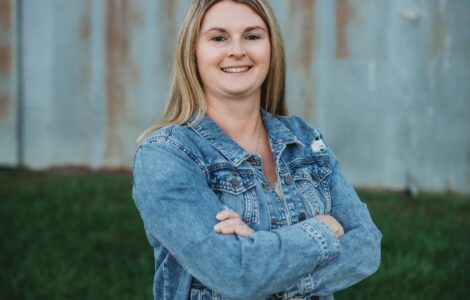
Sean Dengler.
During this time of persistent inflation, the annoyances and costs of affecting farmers and consumers alike. While some might believe it is only a market problem, the evidence in some markets suggests the effects of consolidation. Unfortunately for farmers, they are easily impacted by this issue.
According to Farm Action on October 14, despite President Trump announcing a plan to bring in 300,000 metric tons of additional lean beef imports at a lower tariff over 90 days, the effects have been minimal for consumers and impactful for cattle farmers. The national average retail price of ground beef dropped 13 cents per pound from $6.92 to $6.79, which was only a 2% reduction in overall price.
When it comes to what cattle producers earn for their cattle, prices paid for live and dressed cutter cows, which compete directly against these lean beef imports, have fallen 12.2% and 13.9%. While the consumer is very minimally better off, farmers are not due to these imports. Unfortunately, the middlemen meatpackers take advantage of this situation. Sadly, only 37.5% of the first 100,000-metric-ton tranche have entered the country, and two additional tranches are also authorized. Farmers might experience continued depressed prices, and consumers will feel a negligible impact on their wallet.
For farmers to get these cattle to market, harvest the grain to feed them, or for consumers to buy beef at the grocery store, fuel is mostly needed. Unfortunately, like the consolidated meatpacking industry, the consolidated oil companies have also taken advantage of uncertain markets.
According to Farm Action, Phillips 66’s refining margin, which means the value of fuel produced versus the cost of crude oil used to make it, more than doubled from $10.11 to $24.08 per barrel. Marathon Petroleum saw their refining and marketing margin take a similar increase from $17.58 to $36.33 per barrel. Alas, farmers and consumers must eat this added cost as neither can pass this cost onto another part of the supply chain.
From importing beef to the refining of crude oil, farmers and consumers need protection from these consolidated industries. Like a centralized government, Americans also need protection from centralized economic power. Cattle farmers cannot build back the herd if they are being undermined by imports to benefit the consolidated meatpackers, and consumers see less opportunity to utilize their money when diesel prices are artificially higher due to the consolidated oil companies.
This is why enforcing antitrust laws against these large companies and creating competitive markets which work for farmers and consumers is vital. Too much power concentrated in too few hands leads to high-cost outcomes Americans are seeing at the grocery store and the pump. Life is already hard enough, and it does not need to be made harder by large, consolidated companies taking advantage of situations like a trade war or Iran War.
Sean Dengler is a writer, comedian, now-retired beginning farmer, and host of the Pandaring Talk podcast who grew up on a farm between Traer and Dysart. You can reach him at sean.h.dengler@gmail.com.
Local Columns

Dengler Domain: Beef and Fuel Prices

Follow the Leader

Front and Back with Ray Rannfeldt
Front and Back with Ray Rannfeldt: Oct. 1, 2026

We Must Not Retreat in Defeat